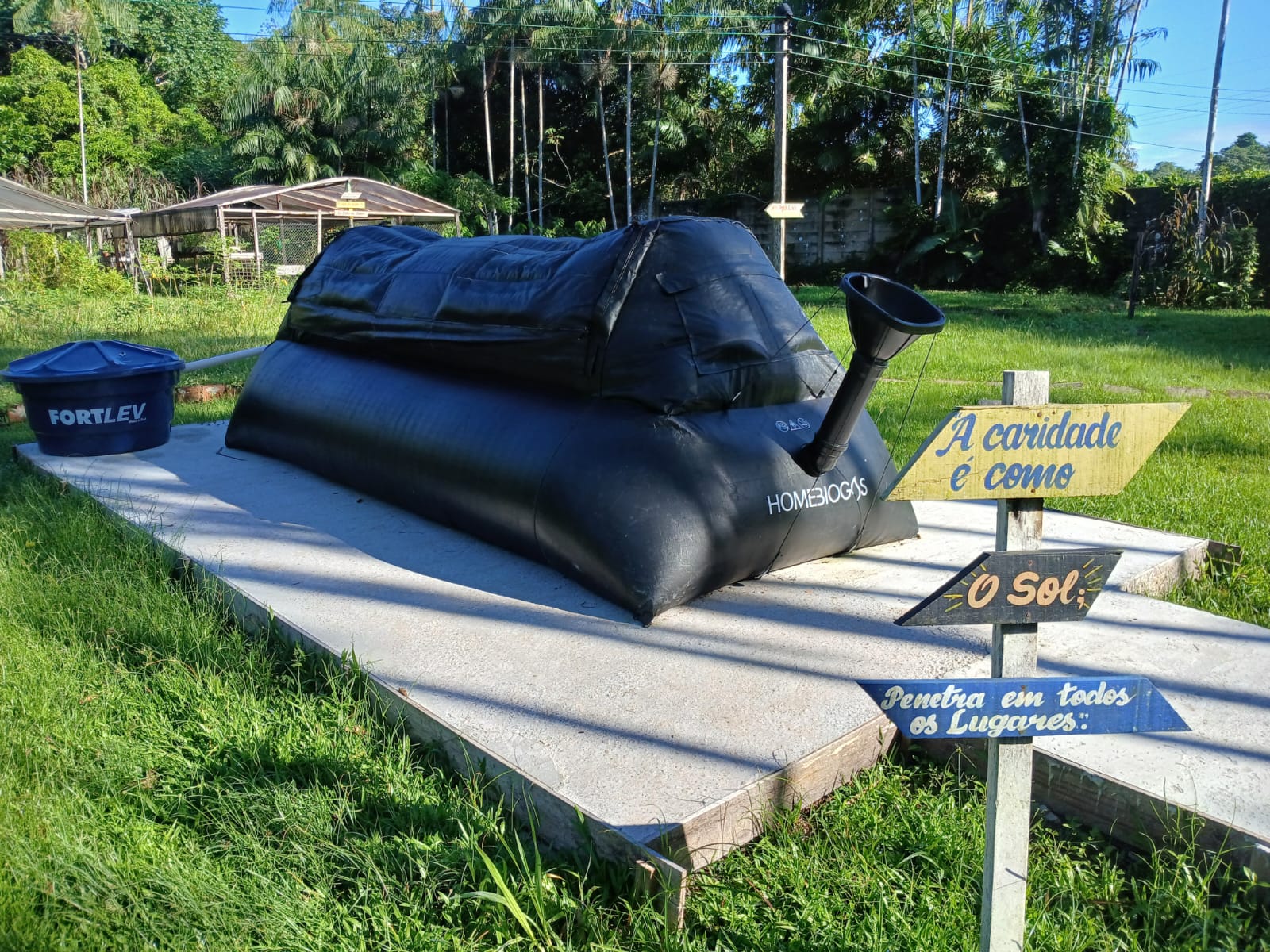
BioMovement + HomeBiogas
12 lessons about biogas and organic waste
BioMovement teacher hub, connected to Brazil’s BNCC and environmental education legislation.
Website in Portuguese, English and Spanish. The Brazil-based program and teaching material are in Portuguese, based on BNCC and Brazilian legislation.
Talk to BioMovementFull page in PortuguesePEDAGOGICAL HUB
Ideas and explorations to turn curiosity into living learning
This is a support space for teachers who make things happen.
Here you'll find starting points — not ready-made recipes — for socio-environmental investigations with your class, connecting waste, clean energy, biodiversity and citizenship with powerful questions, simple activities and paths for deeper learning.
You choose the path.
The hub offers possibilities.
A thank you to those who educate 💚
Real environmental education is born from the everyday life of schools — and from teachers who are willing to experiment, observe, record and talk with their students.
This hub exists to support that practice.
It doesn't replace the teacher.
It doesn't impose methodology.
It doesn't restrict planning.
It supports. Inspires. Structures ideas.
What you'll find here
- Explorations organized by education level
- Trigger questions to start investigations
- Connection with BNCC and SDGs
- Legal framework (PNEA and PNRS)
- Bridges with ESG indicators and data culture
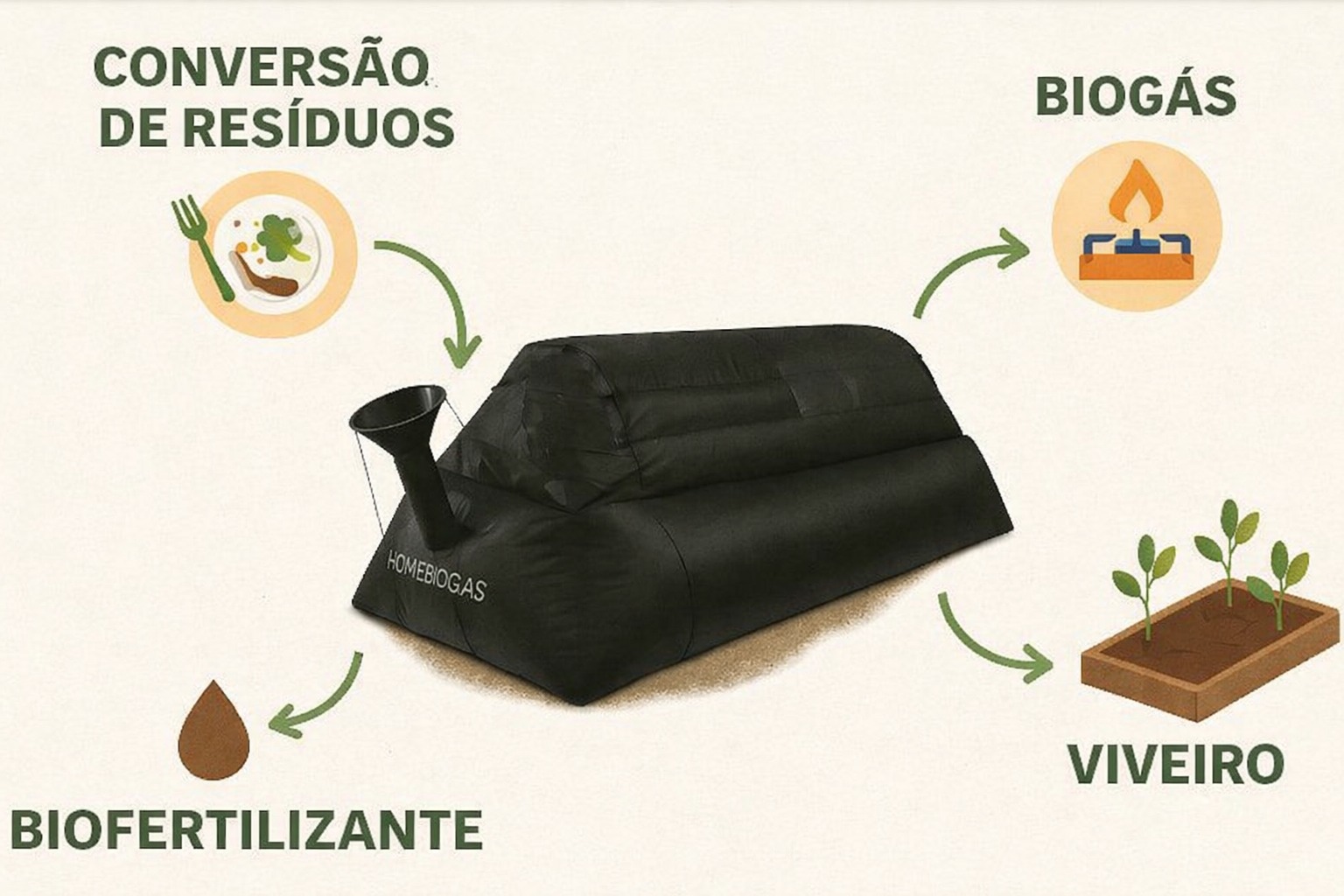
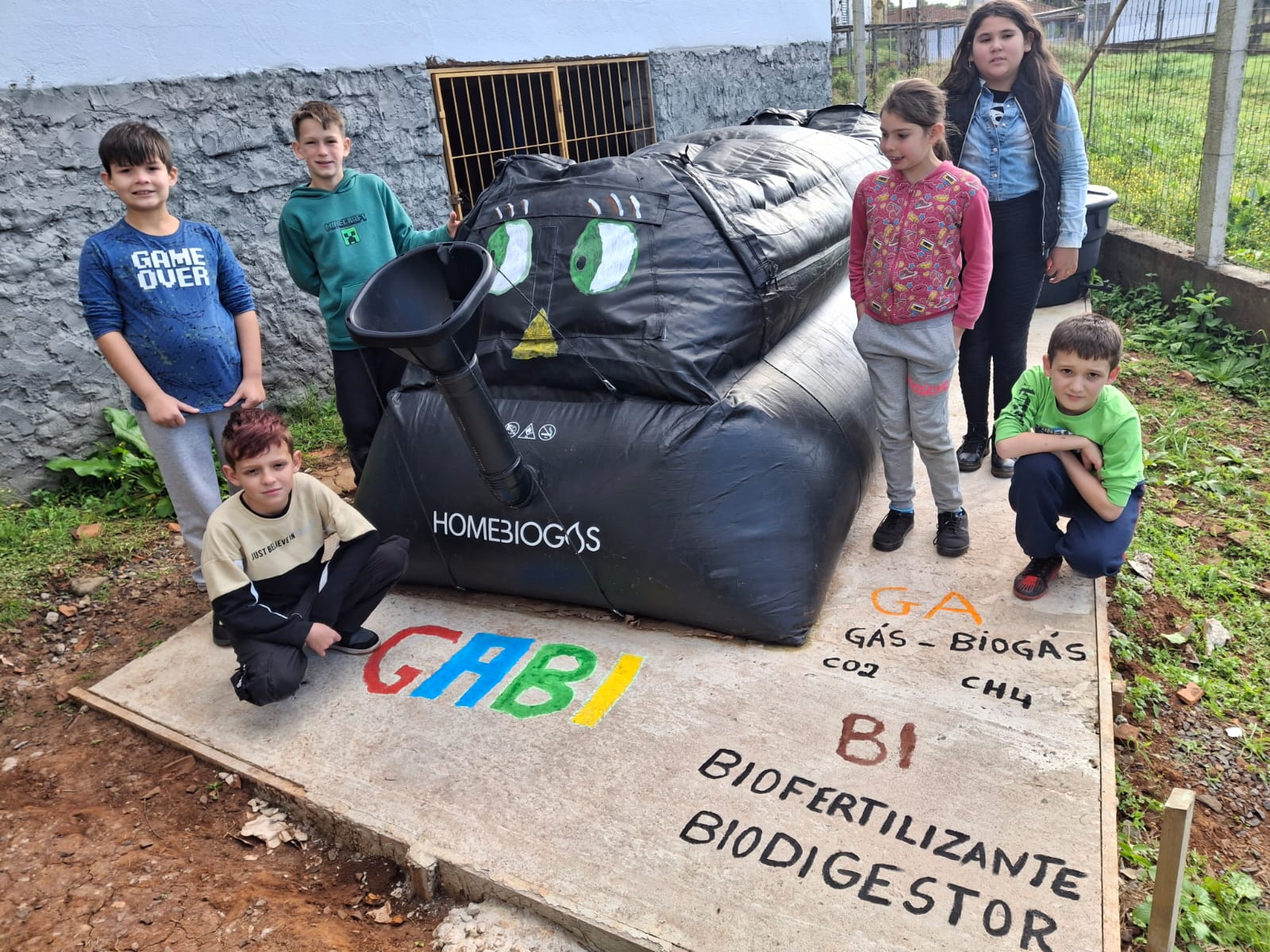
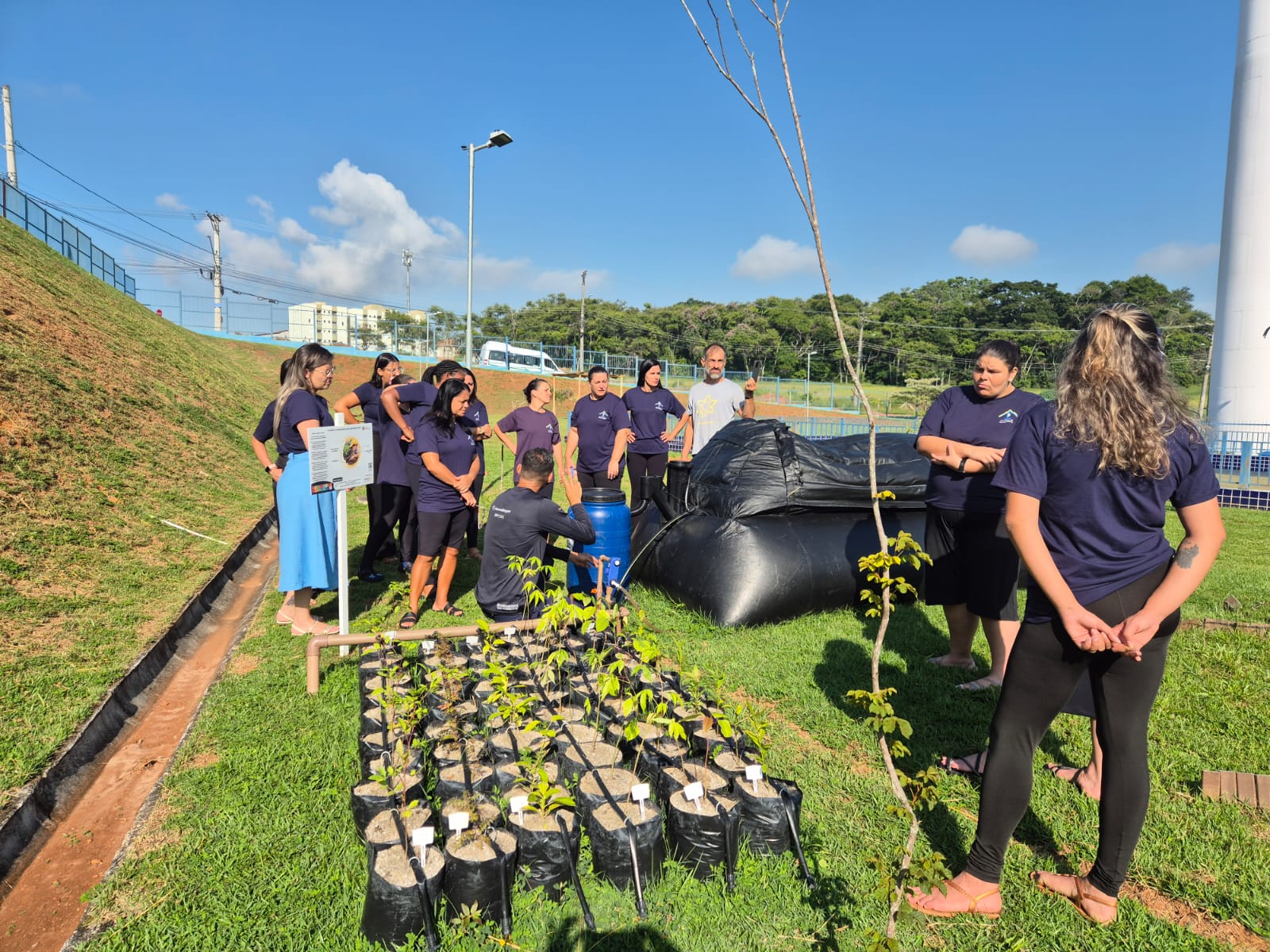
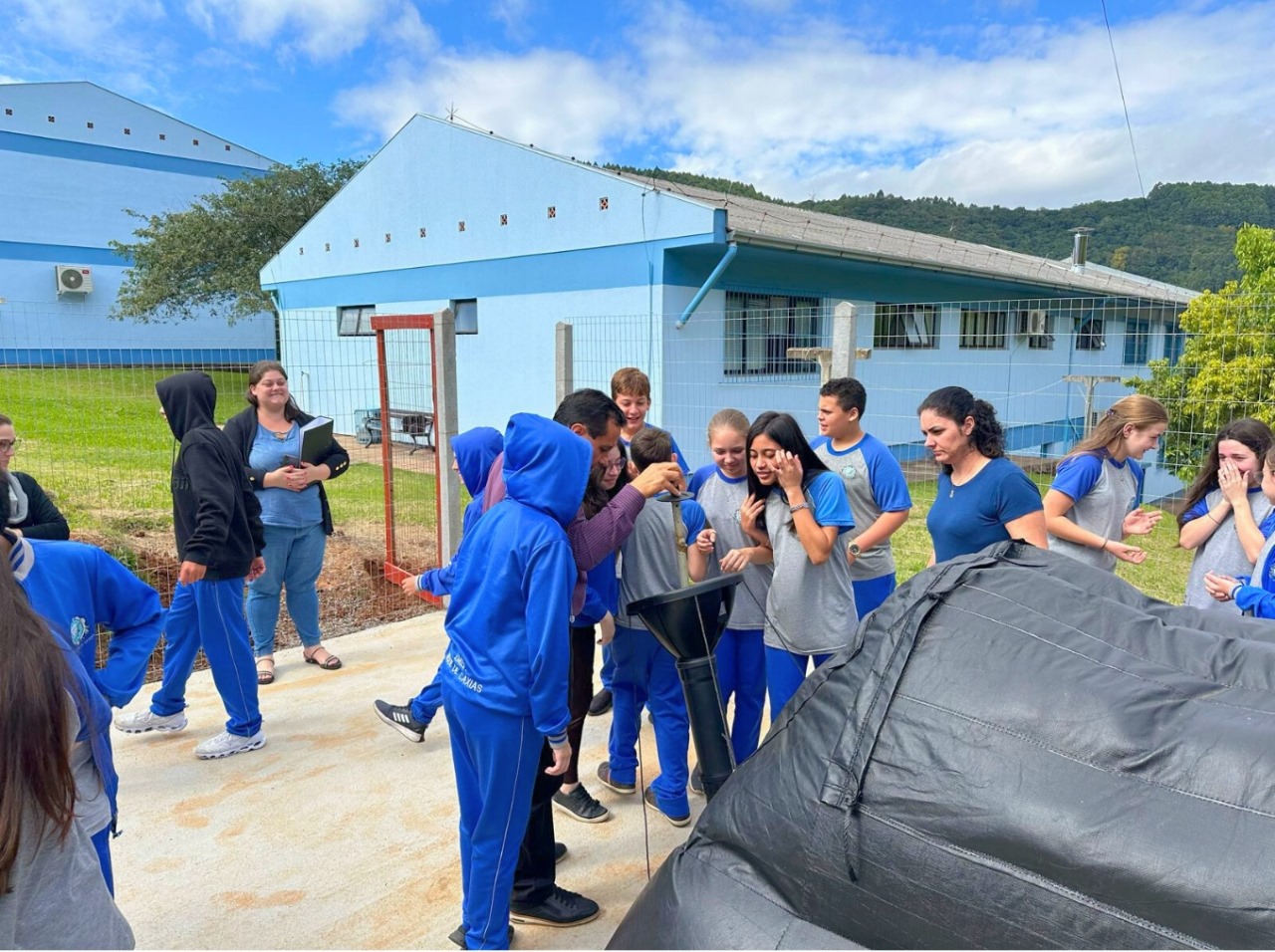
- Application possibilities with or without a living lab
Early Childhood
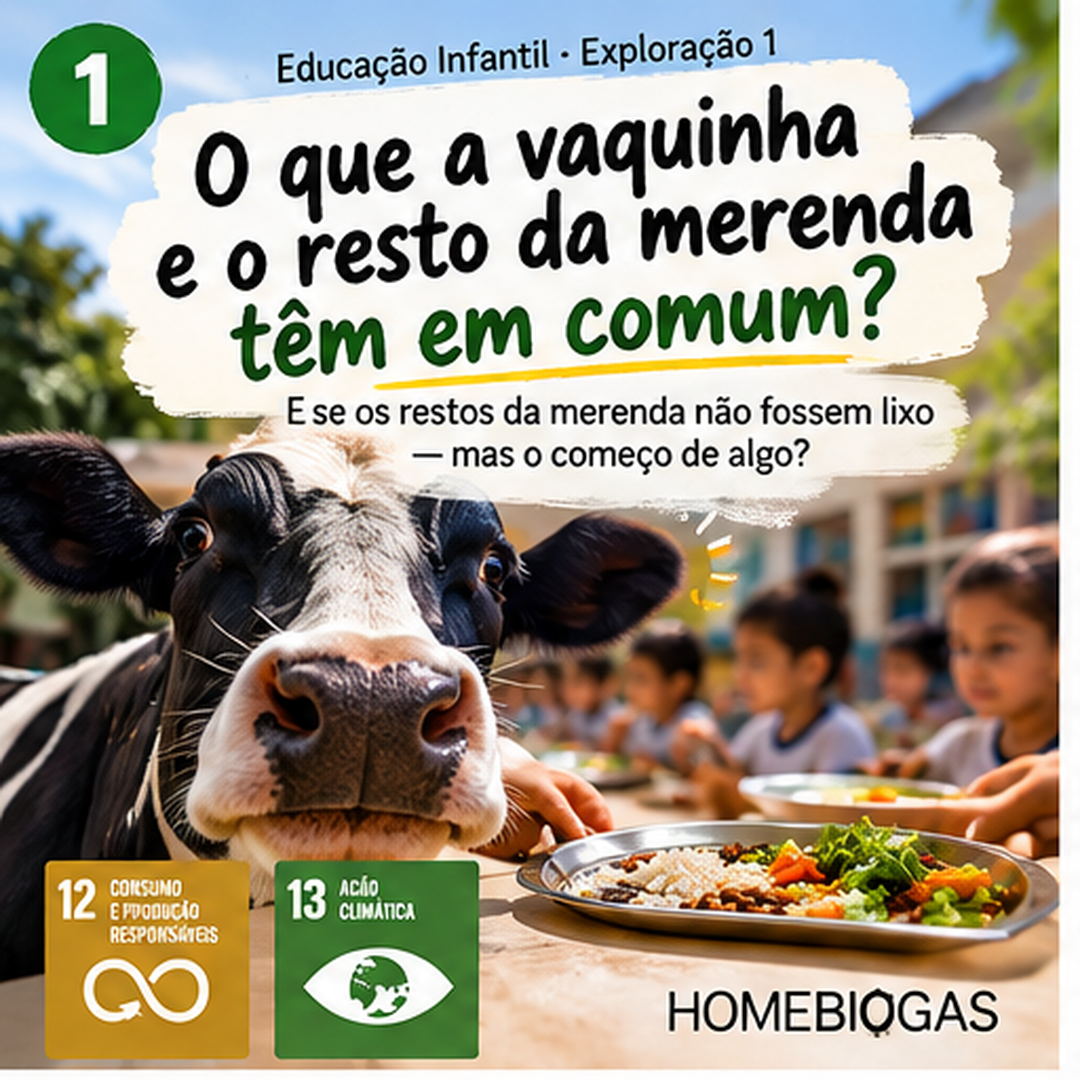 Exploration 1
What do cows and leftover lunch have in common?
What if leftovers weren't trash — but the start of something?
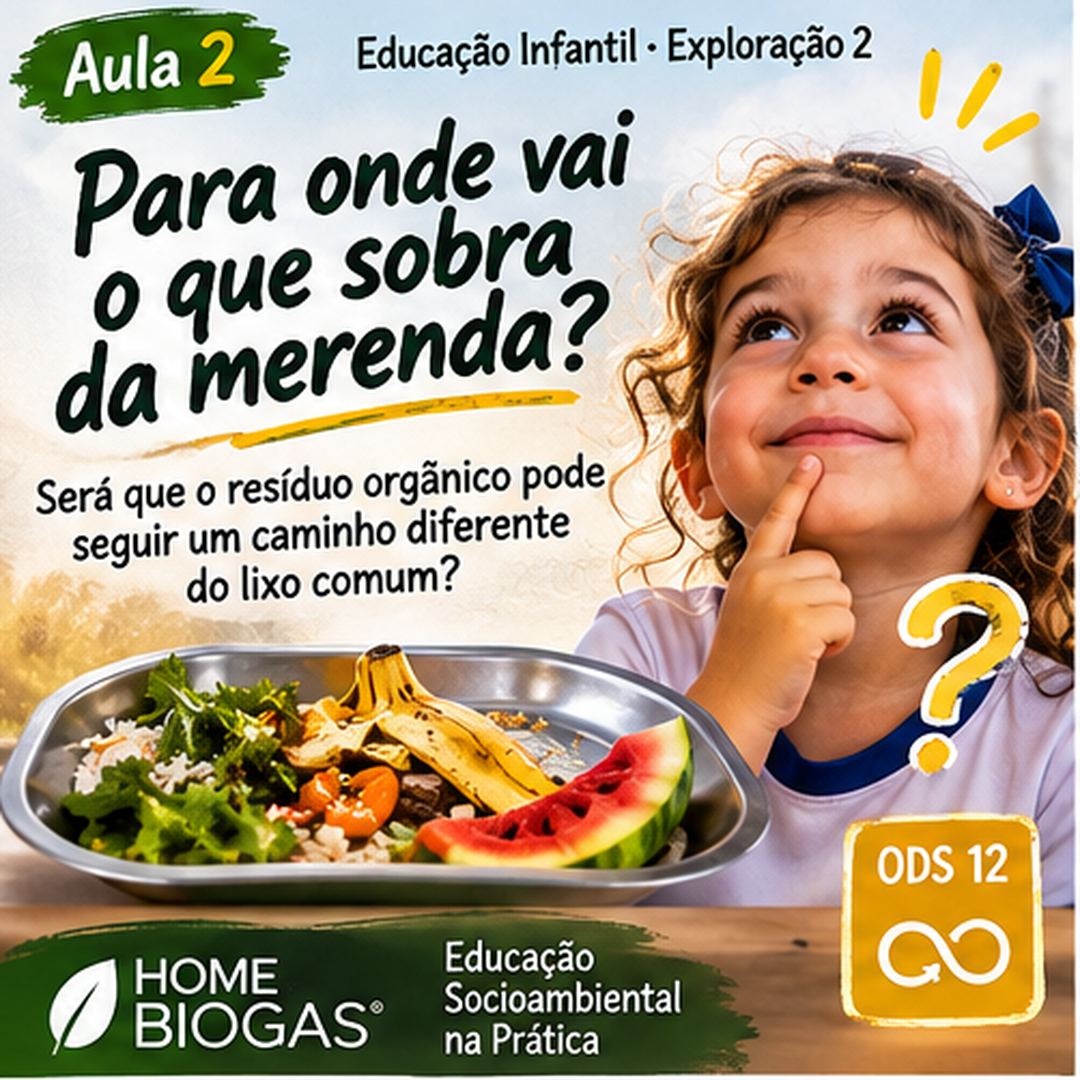 Exploration 2
Where does leftover lunch go?
Can organic waste follow a different path than regular trash?
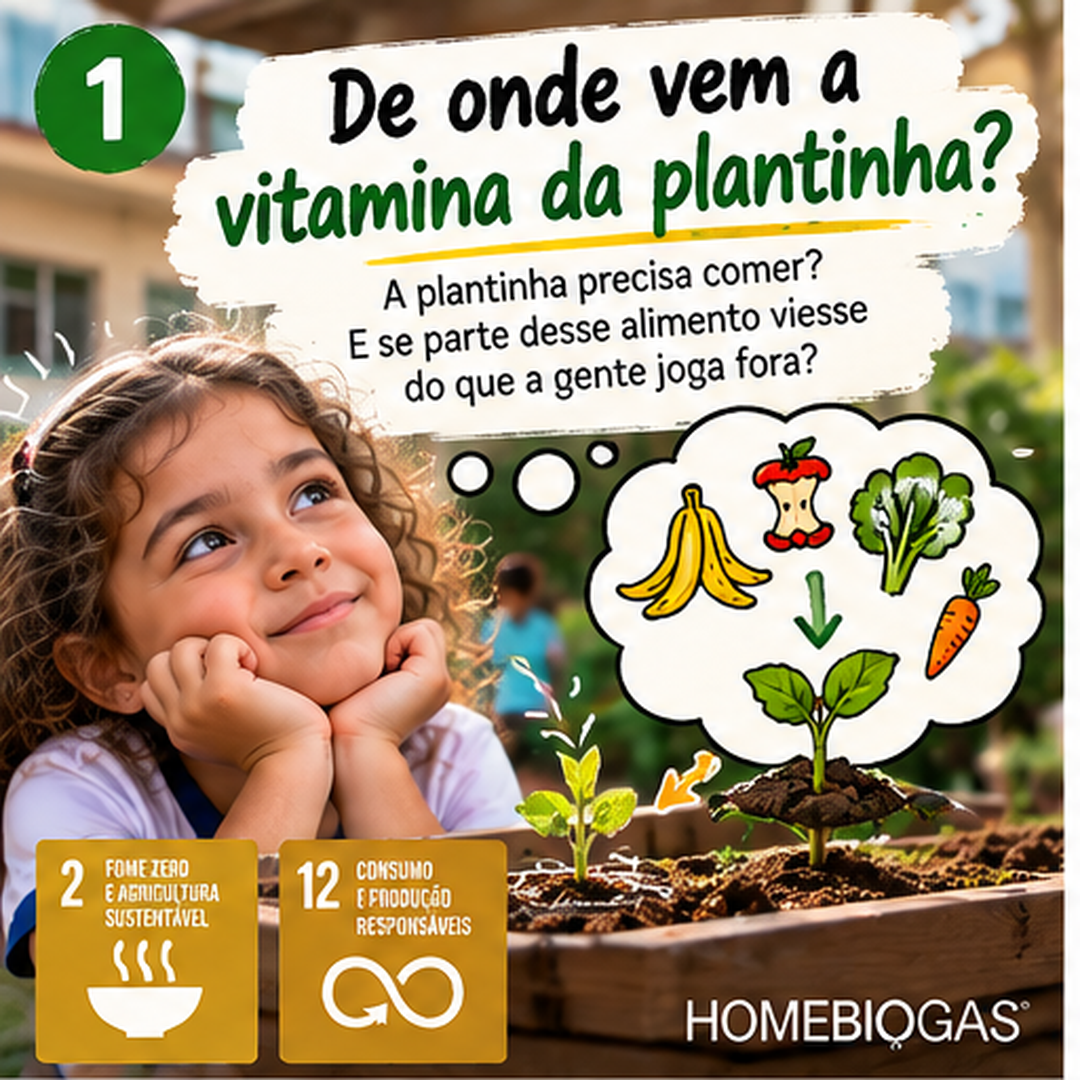 Exploration 3
Where does the plant's vitamin come from?
What happens when nutrients return to the soil?
Elementary I
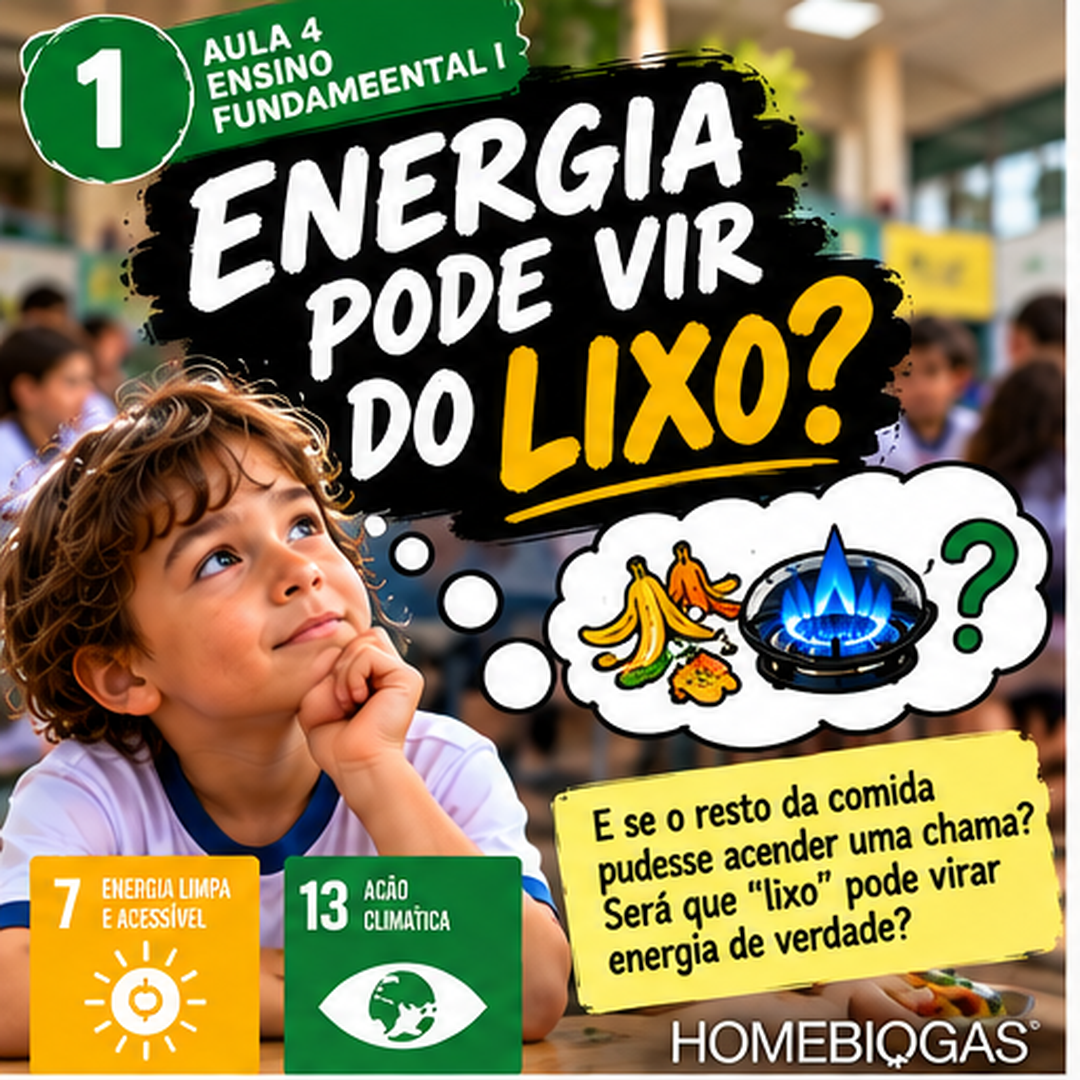 Exploration 4
Can energy come from waste?
What happens when organic waste transforms into something that generates heat, light or movement?
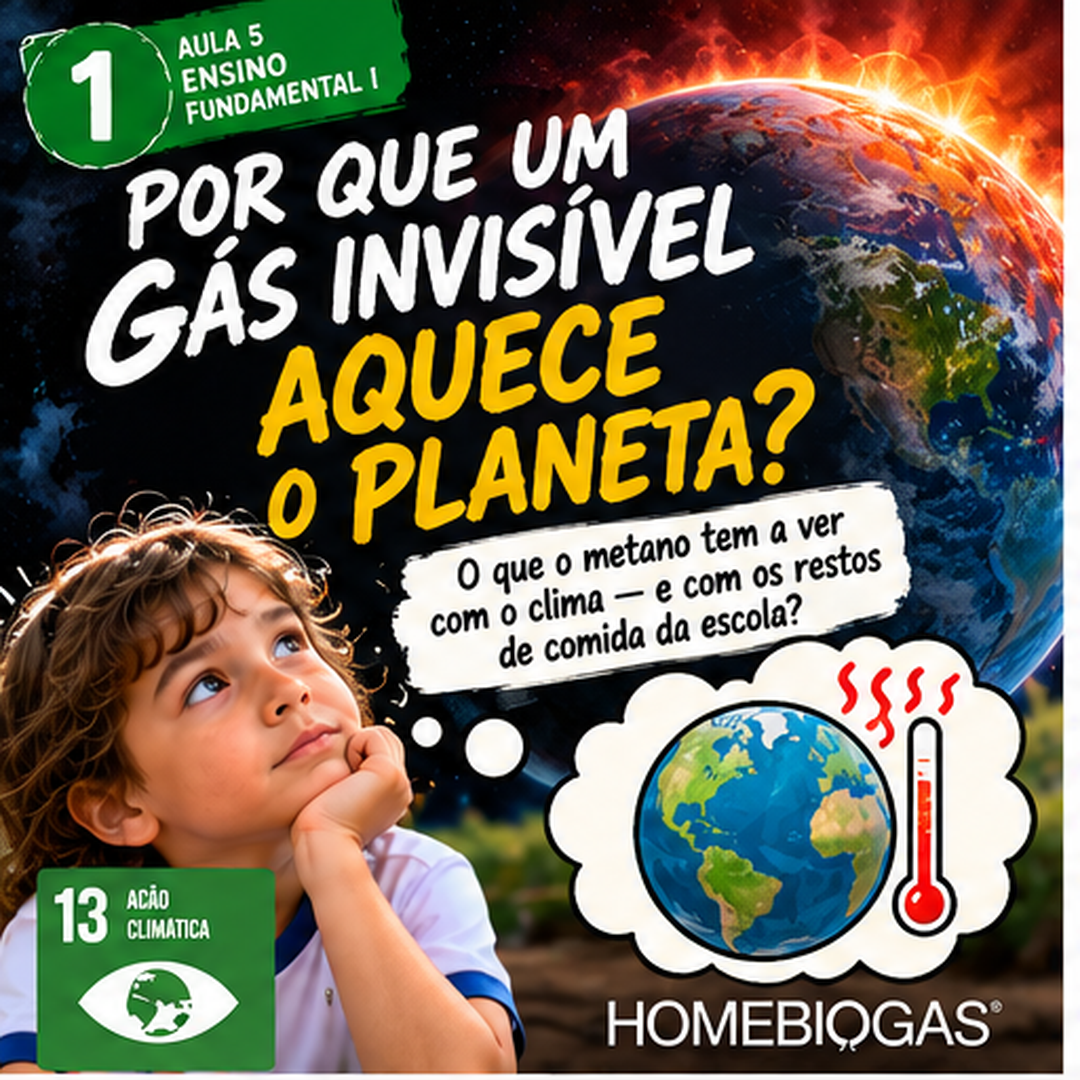 Exploration 5
Why does an invisible gas heat the planet?
What does methane have to do with climate — and school food waste?
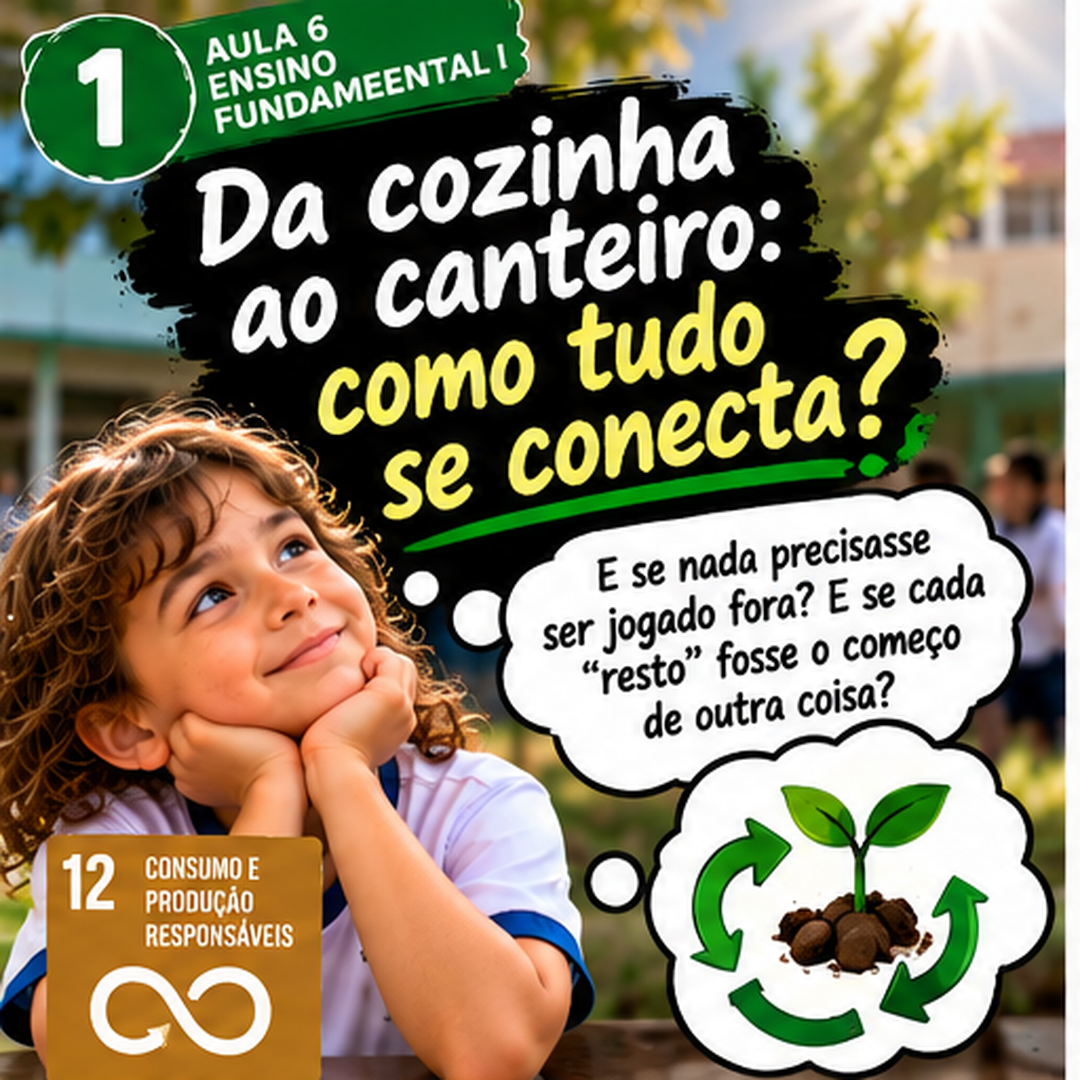 Exploration 6
From kitchen to garden: how is everything connected?
What happens when waste, energy, nutrients and plants are part of the same cycle?
Elementary II
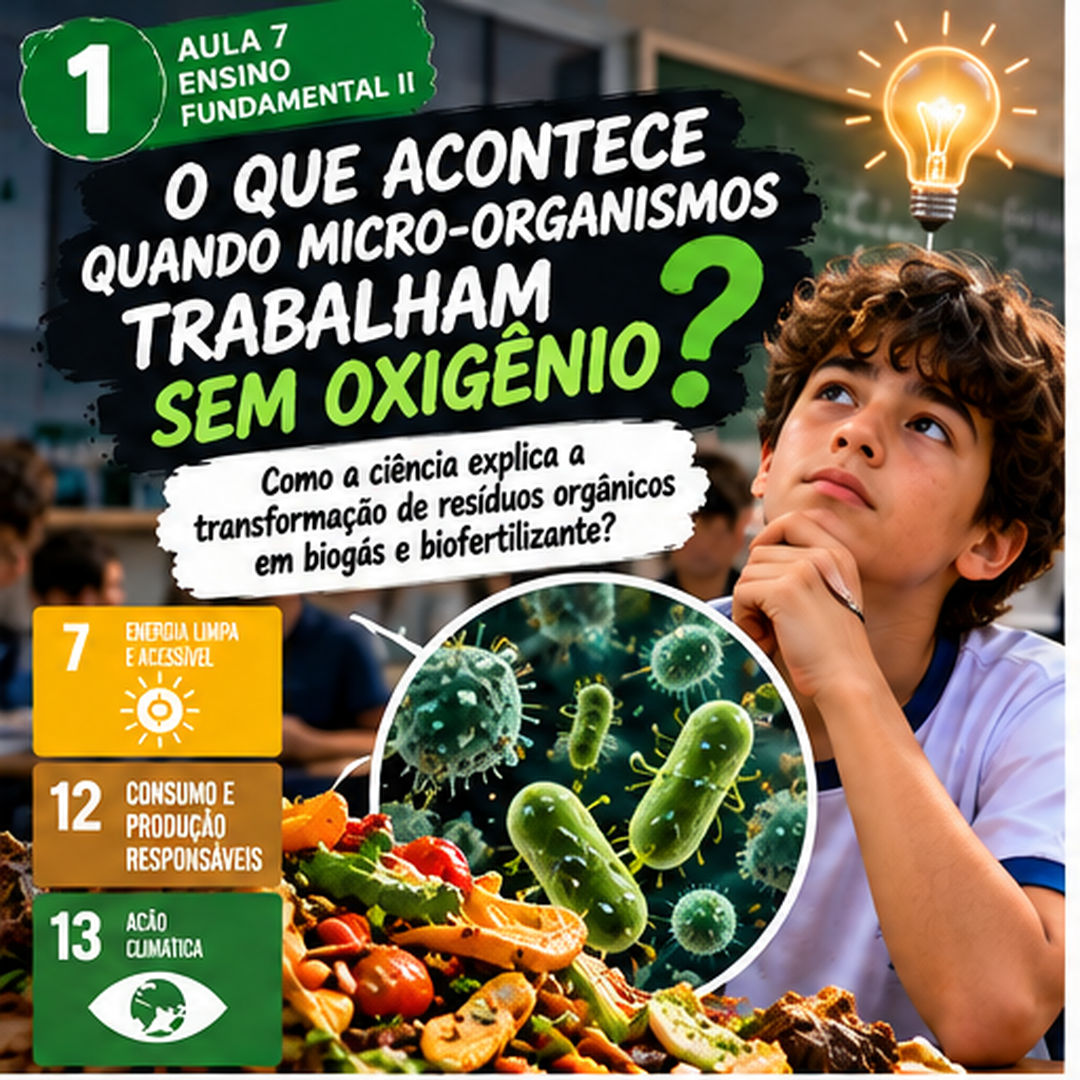 Exploration 7
What happens when microorganisms work without oxygen?
How does science explain the transformation of organic waste into biogas and biofertilizer?
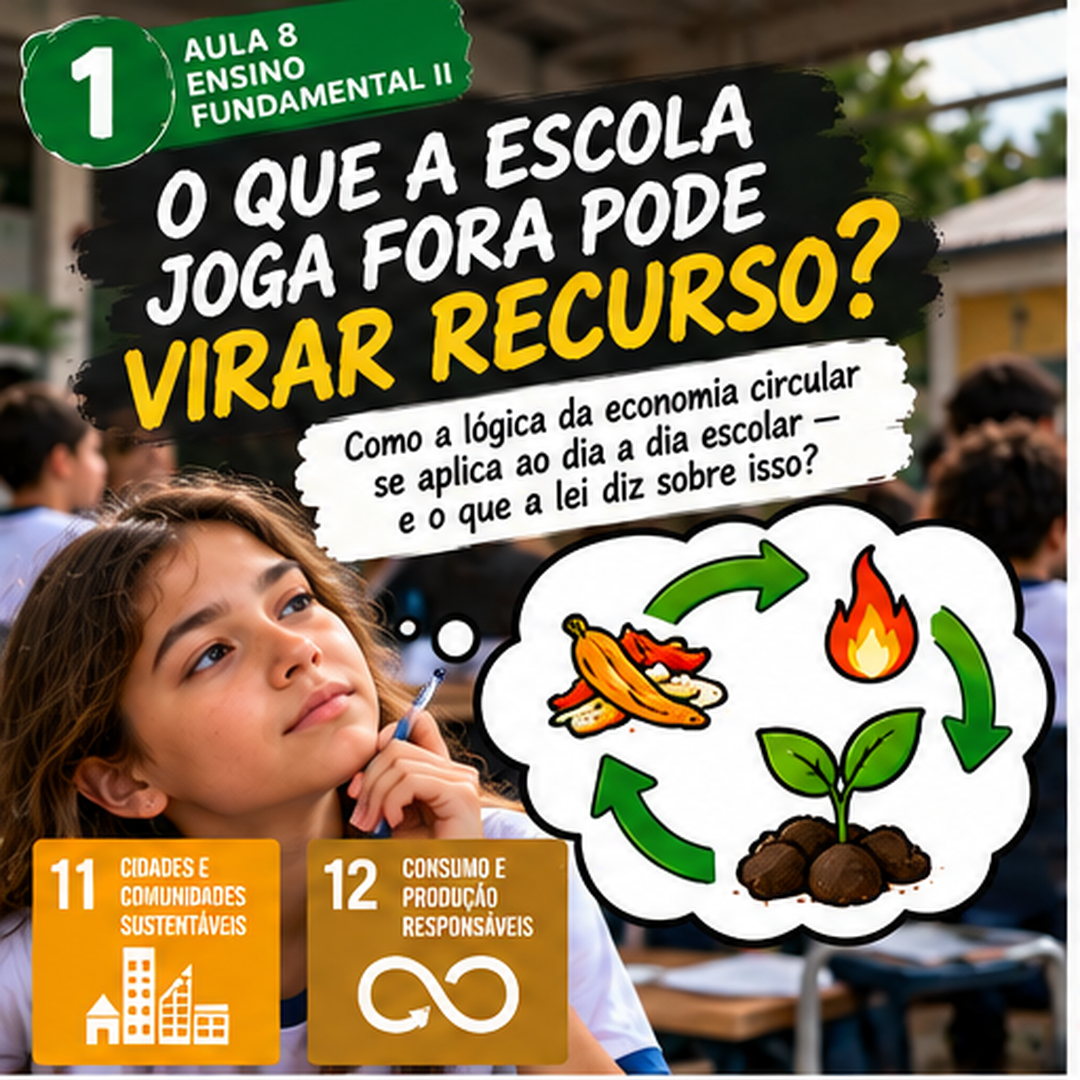 Exploration 8
Can what the school throws away become a resource?
How does the circular economy logic apply to everyday school life — and what does the law say?
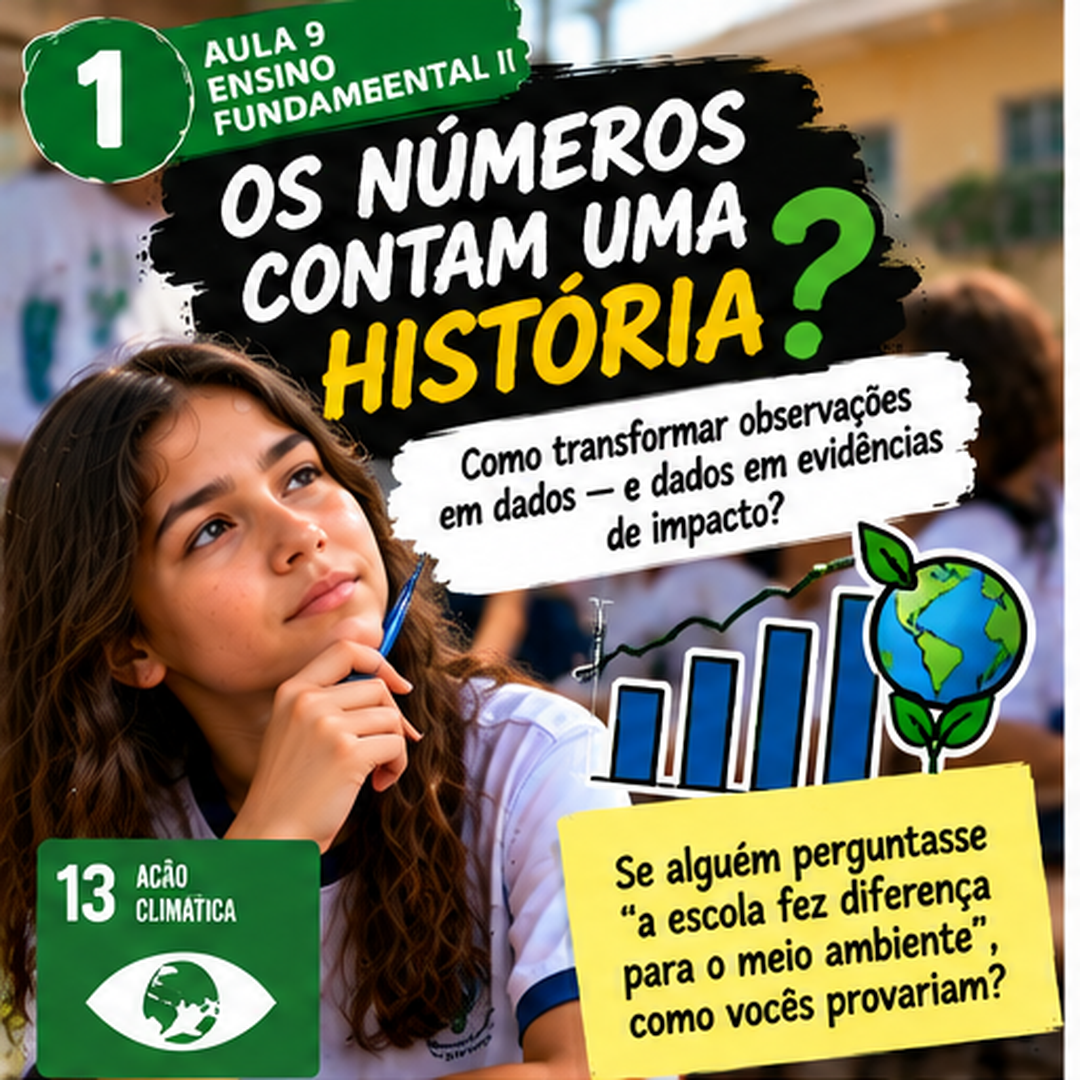 Exploration 9
Do the numbers tell a story?
How to turn observations into data — and data into evidence of impact?
High School
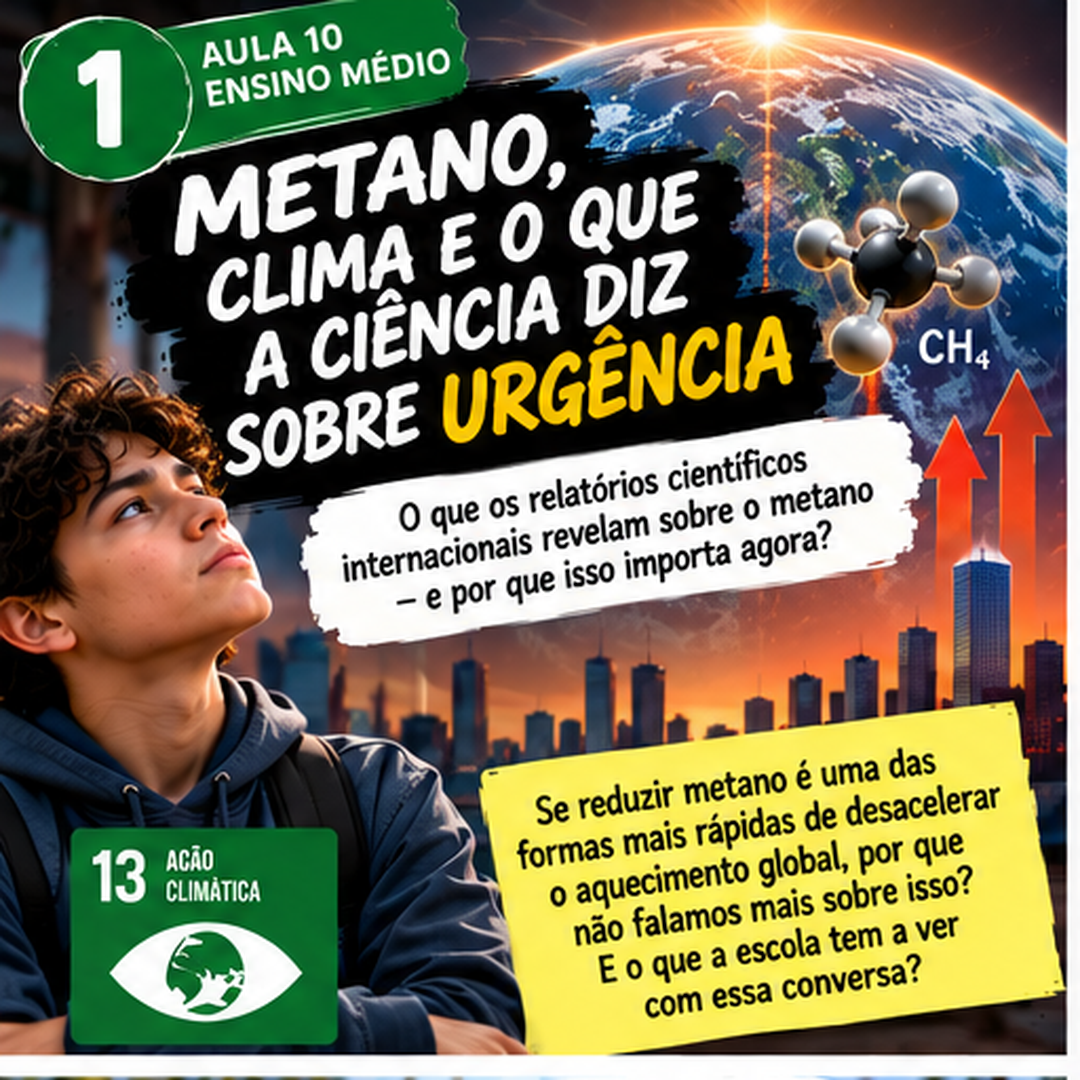 Exploration 10
Methane, climate and what science says about urgency
What do international scientific reports reveal about methane — and why does it matter now?
 Exploration 11
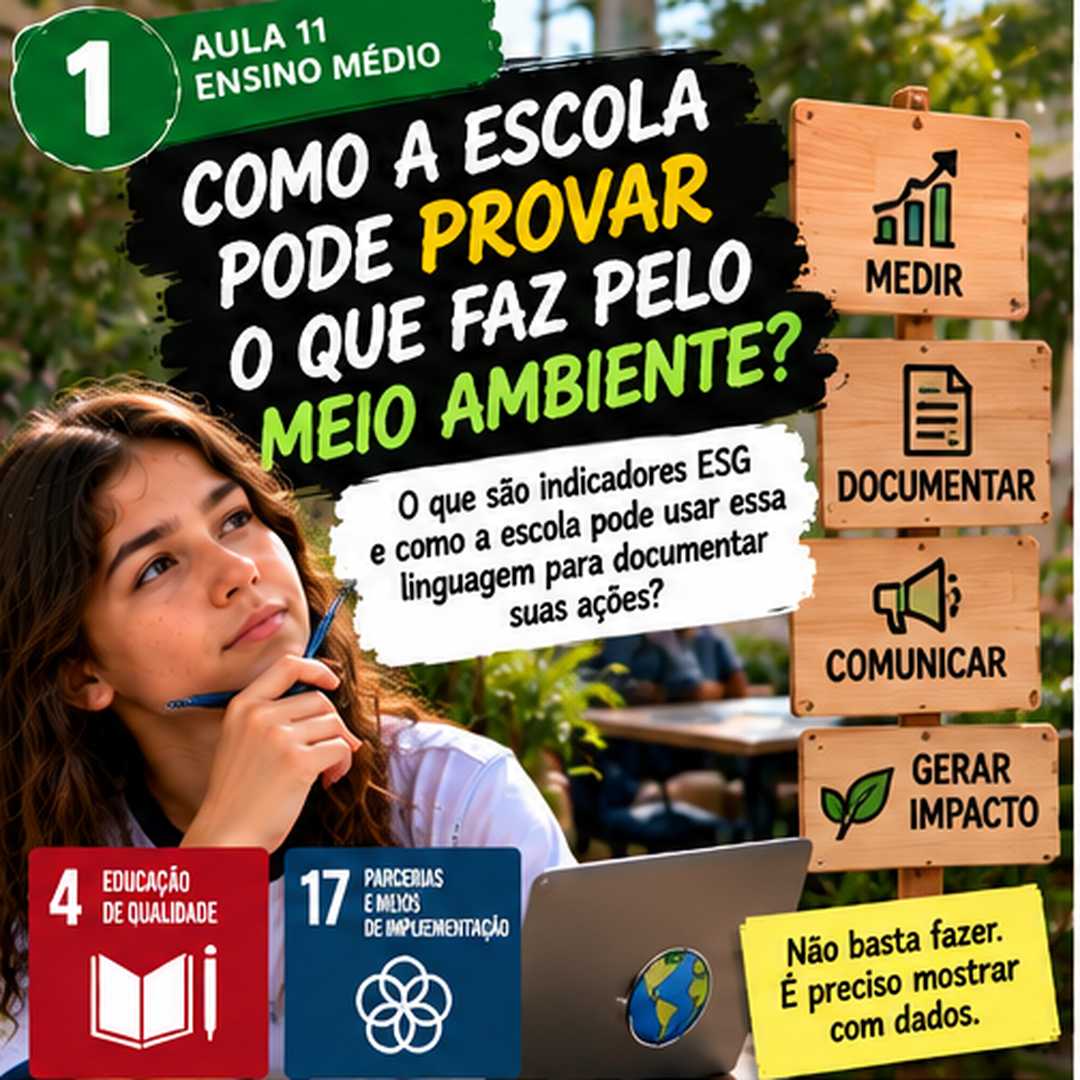
How can the school prove what it does for the environment?
What are ESG indicators and how can the school use this language to document its actions?
 Exploration 12
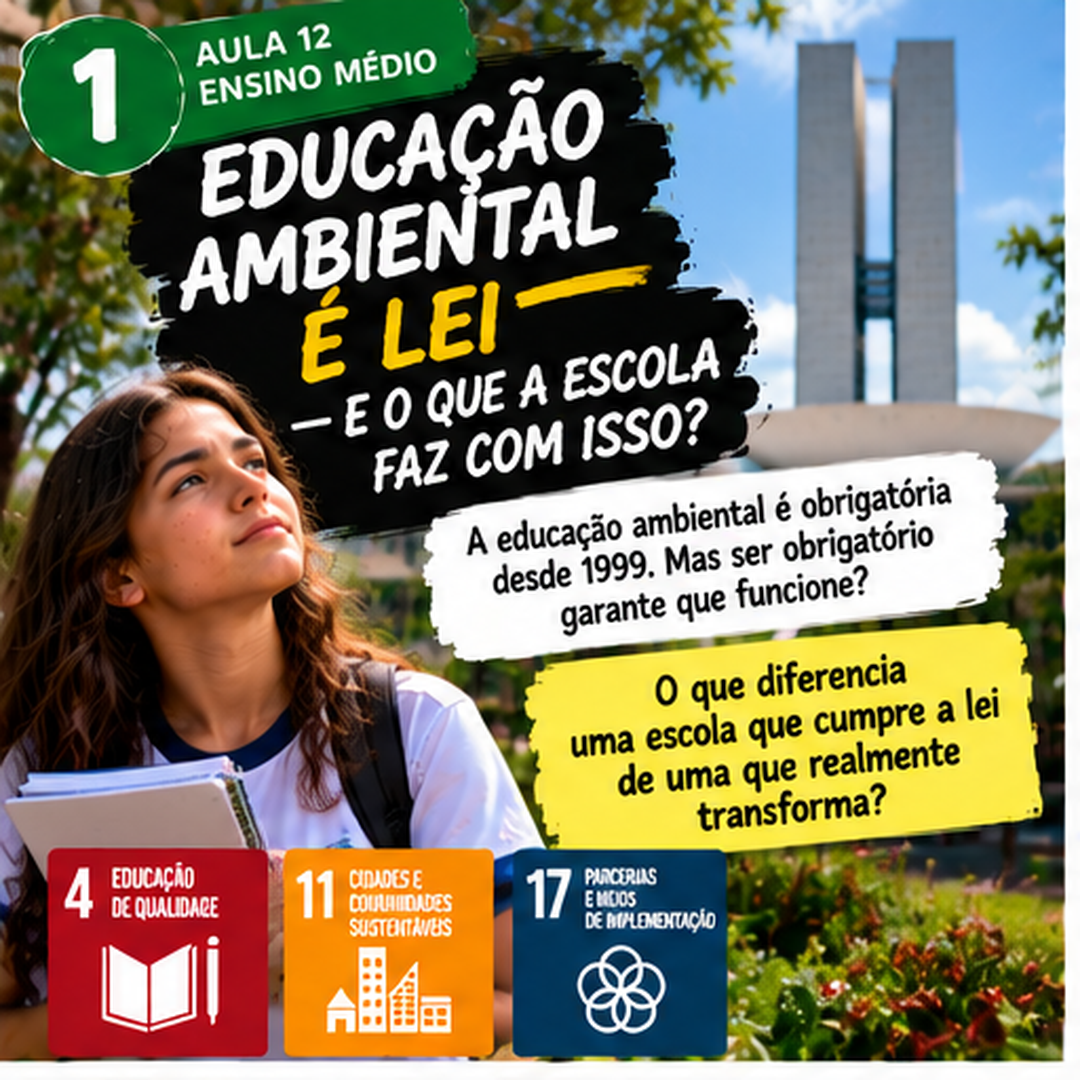
Environmental education is law — what does the school do about it?
What do Brazilian public policies say about environmental education — and how can the school go beyond what's required?
About the pedagogical context
The proposals are aligned with:
- Law 9,795/1999 — National Environmental Education Policy
- Law 12,305/2010 — National Solid Waste Policy
- Decree 11,003/2022 — Federal Biogas and Biomethane Strategy
- SDGs 4, 6, 7, 11, 12, 13 and 17
When the school has a living lab (biodigestion, nursery or environmental indicators), the explorations can use real data.
When it doesn't, activities can be simulated and adapted.
Knowledge doesn't depend on equipment.
It depends on investigation.
Pedagogical Hub
An open space for teacher support — bringing socio-environmental investigation to the classroom with meaning, practice and real-world connection.